
Ceiling Fans Direction
Ceiling Fans Direction, Indeed recently has been hunted by consumers around us, perhaps one of you personally. People now are accustomed to using the internet in gadgets to view video and image information for inspiration, and according to the name of this article I will discuss about
If the posting of this site is beneficial to our suport by spreading article posts of this site to social media marketing accounts which you have such as for example Facebook, Instagram and others or can also bookmark this blog page.

Ceiling Fan Direction For Winter And Summer Fansonline Australia Wall Fan Ventilating

Ceiling Fan Direction Summer Winter Diagram Blog Ridge Runner Tiny Homes Page 2 Change Ceiling Fan Direction In Winter Summer And Save Have You Been Using Your Fan Incorrectly These Two Simple Wall Fan Ventilating
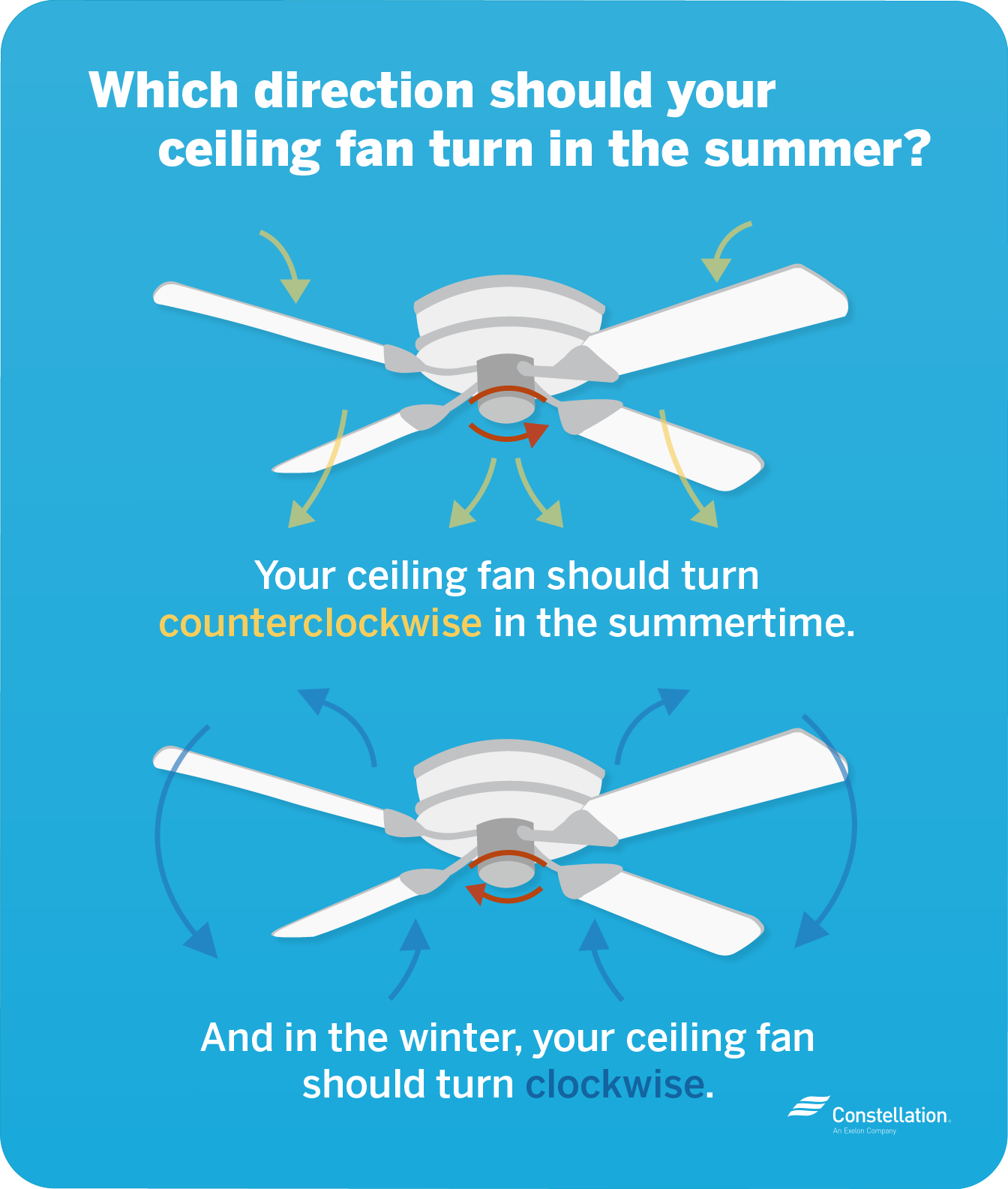
Which Way Should Your Ceiling Fan Turn In The Summer Constellation Wall Fan Ventilating

Should You Use Ceiling Fans In The Winter The Green Home Coach Wall Fan Ventilating
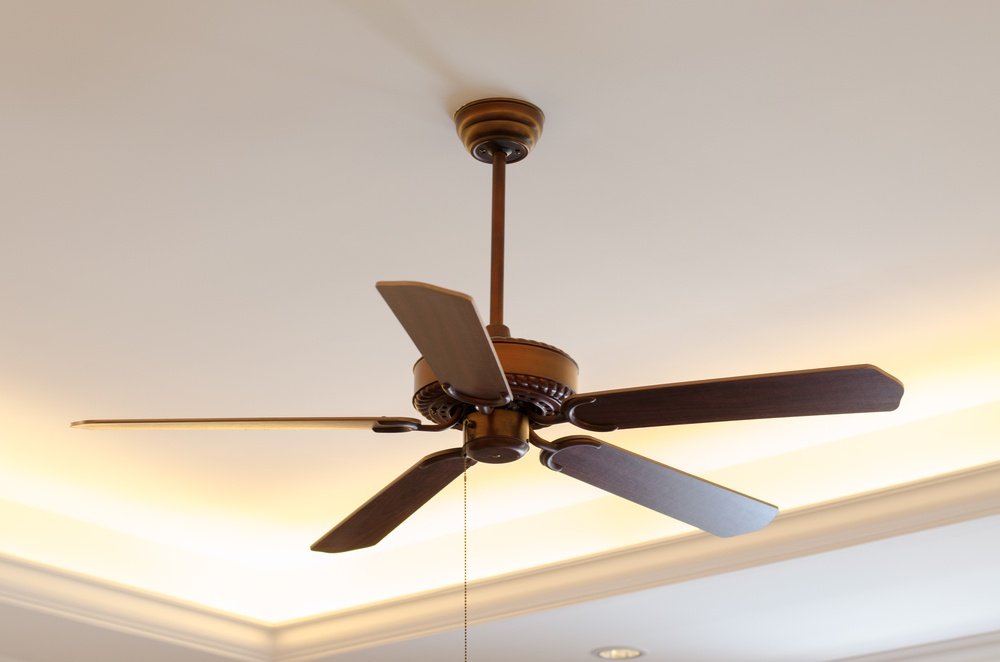
Why You Should Change The Direction Of Ceiling Fans In Winter Homeselfe Wall Fan Ventilating

How To Change Ceiling Fan Direction For Summer Winter Hunter Fan Youtube Wall Fan Ventilating
Which ceiling fans are best for summer and winter.
Wall fan ventilating. Ceiling fans are the must have home appliance for summer but did you know that ceiling fans are also handy in the fall and winter. The direction your ceiling fan should spin in the summer and the winter depends on the type of fan you have and at which angle the blades have been set by the manufacturer or by. This is one of the most commonly asked questions we get from people who own lower quality ceiling fans that seem to make little or no difference in summer or winter regardless of the direction they are spinning.
This pulls cool air up toward the ceiling which in turn displaces the warm air that rises and collects near the ceiling. A ceiling fan that spins clockwise will draw cooler air up and force warmer air near the ceiling down and out toward walls. Ceiling fan direction in the winter should be clockwise and the fan should run at the lowest speed.
A clockwise ceiling fan direction for high ceilings is especially important in winter. Its best to run the fan on a low speed so that it doesnt create too much of a cooling breeze. You can also save in energy costs when the ceiling fan is on the correct setting to support your cooling or heating efforts.
Reverseanti clockwise direction is for in summer during summer you want the maximum cooling effect. Such fans are poorly made and simply dont move much air in either direction.

Https Encrypted Tbn0 Gstatic Com Images Q Tbn 3aand9gcspv2rbcixlwlwu1bo Bac4cb Jyc5fy91nwg Usqp Cau Wall Fan Ventilating
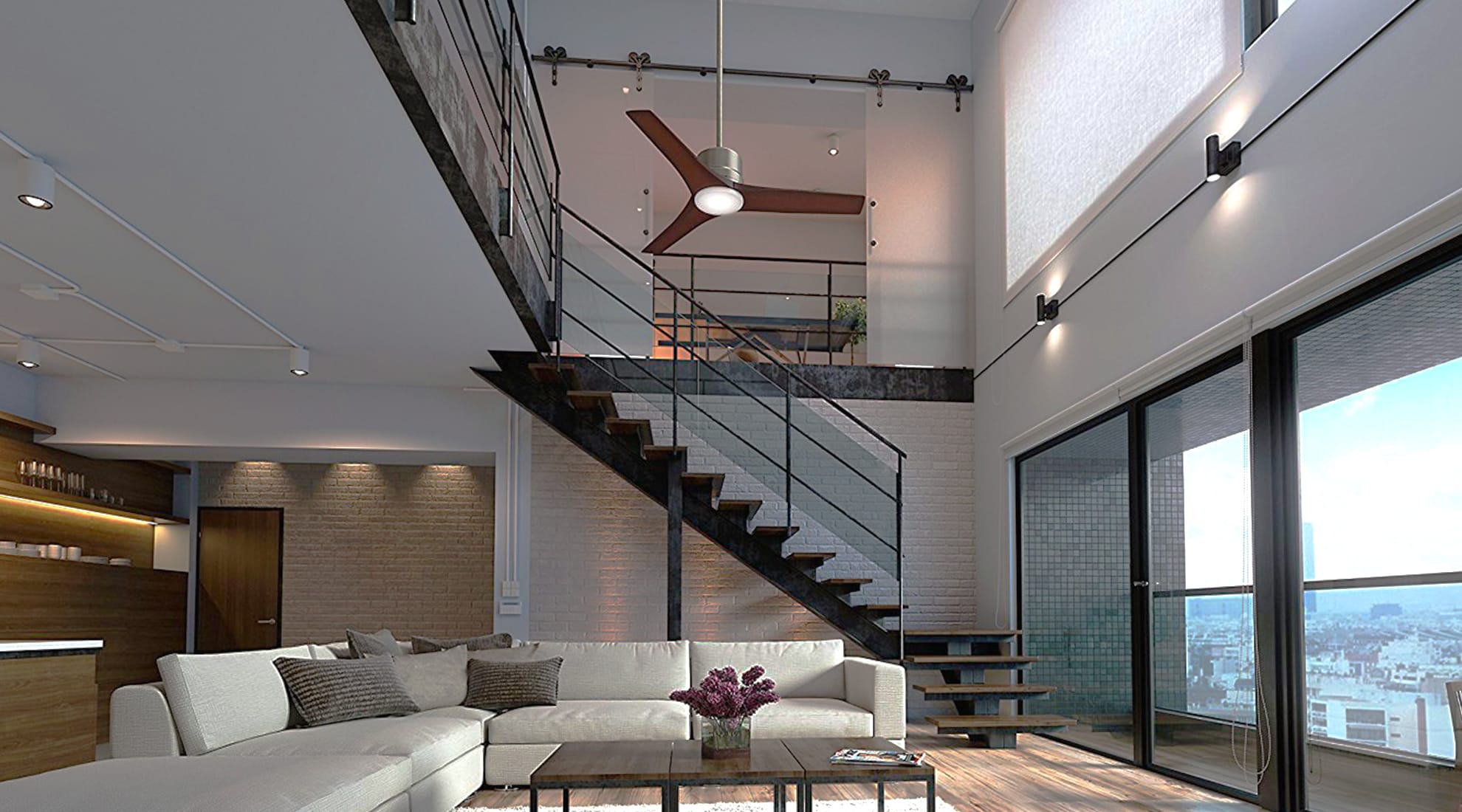
Ceiling Fan Direction Fan Rotation In Summer Winter At Lumens Com Wall Fan Ventilating

Here S What That Switch On Your Ceiling Fan Does And Why You Should Use It Survivesummer Com Wall Fan Ventilating

Diy Q A Home Improvement Database And Library Wall Fan Ventilating